Whispers of the Konkan Guardian

An Interactive experience about the rich folklore surrounding the mysterious Rakhandar

Exploring the rich culture surrounding the Rakhandar folklore through an interactive experience

00

Duration

6 months

The idea of a guardian spirit that protects the cultural, ecological, and social fabric of a community is deeply rooted across the Konkan region. Numerous accounts describe encounters with colossal anthropomorphic beings that share strikingly similar characteristics despite originating from different villages and communities. These entities are known by various names including Rakhandar, Rakhnau, Naas, Rakhno, Devchar, and Daivata with each name reflecting regional dialects, local traditions, and cultural interpretations. While the stories may differ in detail, they collectively point to a shared belief in a powerful presence that watches over both people and place.

Skills

Game Design
Illustrator
Design Research

Collaborator

Dr. Jayesh Pillai

Outcome

Exploration based Game Published Paper in India HCI 2024

01

Introduction

Introduction

Who or What is Rakhandar?

Set in a vibrant Konkan village, the experience introduces players to the world of Rakhandar through exploration, rituals, and conversations with locals. As an outsider, the player gathers offerings for a community ceremony, uncovering stories that portray Rakhandar as both protector and mystery. Rather than creating fear, this level fosters curiosity, using everyday interactions to reveal how belief, ritual, and tradition shape village life.

The idea of a guardian spirit that protects the cultural, ecological, and social fabric of a community is deeply rooted across the Konkan region. Numerous accounts describe encounters with colossal anthropomorphic beings that share strikingly similar characteristics despite originating from different villages and communities. These entities are known by various names including Rakhandar, Rakhnau, Naas, Rakhno, Devchar, and Daivata with each name reflecting regional dialects, local traditions, and cultural interpretations. While the stories may differ in detail, they collectively point to a shared belief in a powerful presence that watches over both people and place.

My motivation?

Having grown up hearing these stories, I was particularly fascinated by the duality at the heart of these beliefs.

Spirits that are both feared and revered
Rituals that challenge conventional religious practices
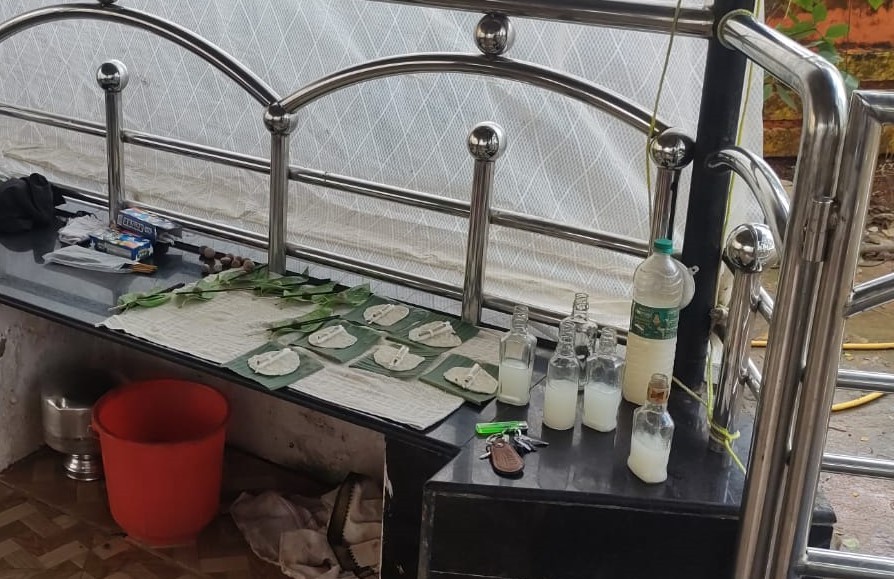
Offerings such as fish, alcohol, and beedis items rarely associated with mainstream worship

The folklore surrounding Rakhandar exists at the intersection of fear, faith, and cultural identity. Each story revealed a different perspective, yet together they form a rich and complex picture of a protector spirit deeply embedded within community life. As someone drawn to atmospheric storytelling and folklore, I saw an opportunity to explore this largely undocumented narrative through an interactive medium.

02

Research

Secondary Research

I turned to the available literature on the subject. What I discovered was a departure from the conventional sources of scholarly research. Instead, I found myself navigating the digital landscape, where a diverse array of resources awaited my exploration.

Blogs, Books, Audiobooks and Videos

Excerpts

Similar entities and etymology

“A Vetaal (or Betaal in Hindi) is considered to be the King of the spirits. The spirits (pishachh) are considered to bow down to and obey the Vetaal. A vetaal is generally summoned by the priest (bhagat) in case of possession, and it is believed that the Vetaal enters the body of the priest and drives the spirit out of the possessed person. The spirit has no option but to obey his King and leave the body of the possessed. In local lingo, it is also called ‘Vetoba’ and has temples dedicated to it.”

How does the folklore live on?

“Every time I visited my grandparents’ house in Salcette Goa, I would accompany Thomas, who worked in our house, to the shrine outside the village. In reality, there was no temple or a shrine or even an idol at the spot, but a huge Banyan tree with a hollow base which looked like it was the entrance into a tiny cave. Unlike other temples where there is an idol which is decorated with flowers and perfumes, and the place is buzzing with devotees, this shrine was stark, empty and devoid of any decorations. However, there were signs that oil lamps were being lit regularly as dark soot had blackened the roots of the Banyan tree."

How does the history perceive the Rakhandar?

"The Catholic Church of Goa translated the Portuguese Diablo (“Devil”) into Konkani as Devchar, so the spirit has often been equated with Christian devils, or with Satan himself. However, many Hindus, and those with syncretic beliefs, reject this. Instead, they revere Devchar as a protector who resides at the four corners of a village boundary"

Excerpts

Gender and worship

"But what really caught my attention was a sign that stood out boldly: “No Woman Allowed.” Naturally, I couldn’t resist the urge to find out more. I approached the temple caretaker and asked about the intriguing restriction.

He shared with me a captivating belief associated with the temple. In the early years, pregnant women and menstruating women experienced discomfort or pain if they entered the shrine. Due to such repeated incidents, the decision was made to restrict women from worshipping inside.”

Contemporary experiences

"As I was standing there, feeling a bit spooked, an old man appeared out of nowhere. He seemed insistent on sitting on my bike. At first, I politely refused, thinking it was a strange request. But before I knew it, he had hopped onto the bike without any warning, and then just as quickly, he jumped off"

Primary Research

The primary research focused on gathering firsthand accounts through informal conversations with individuals who had either heard about Rakhandar or experienced it directly. In addition, I visited a nearby Rakhandar shrine to observe the space, rituals, and surrounding environment.

These interactions revealed a wide spectrum of narratives ranging from eerie and unsettling encounters to unexpectedly light or humorous stories.

The conversations were intentionally unstructured, allowing people to share stories in their own words. The goal was not to validate facts, but to capture lived experiences and personal interpretations, which could later inform the narrative direction of the project.

02

Research

Secondary Research

I turned to the available literature on the subject. What I discovered was a departure from the conventional sources of scholarly research. Instead, I found myself navigating the digital landscape, where a diverse array of resources awaited my exploration.

Blogs, Books, Audiobooks and Videos

Excerpts

Similar entities and etymology

“A Vetaal (or Betaal in Hindi) is considered to be the King of the spirits. The spirits (pishachh) are considered to bow down to and obey the Vetaal. A vetaal is generally summoned by the priest (bhagat) in case of possession, and it is believed that the Vetaal enters the body of the priest and drives the spirit out of the possessed person. The spirit has no option but to obey his King and leave the body of the possessed. In local lingo, it is also called ‘Vetoba’ and has temples dedicated to it.”

How does the folklore live on?

“Every time I visited my grandparents’ house in Salcette Goa, I would accompany Thomas, who worked in our house, to the shrine outside the village. In reality, there was no temple or a shrine or even an idol at the spot, but a huge Banyan tree with a hollow base which looked like it was the entrance into a tiny cave. Unlike other temples where there is an idol which is decorated with flowers and perfumes, and the place is buzzing with devotees, this shrine was stark, empty and devoid of any decorations. However, there were signs that oil lamps were being lit regularly as dark soot had blackened the roots of the Banyan tree."

How does the history perceive the Rakhandar?

"The Catholic Church of Goa translated the Portuguese Diablo (“Devil”) into Konkani as Devchar, so the spirit has often been equated with Christian devils, or with Satan himself. However, many Hindus, and those with syncretic beliefs, reject this. Instead, they revere Devchar as a protector who resides at the four corners of a village boundary"

Excerpts

Gender and worship

"But what really caught my attention was a sign that stood out boldly: “No Woman Allowed.” Naturally, I couldn’t resist the urge to find out more. I approached the temple caretaker and asked about the intriguing restriction.

He shared with me a captivating belief associated with the temple. In the early years, pregnant women and menstruating women experienced discomfort or pain if they entered the shrine. Due to such repeated incidents, the decision was made to restrict women from worshipping inside.”

Contemporary experiences

"As I was standing there, feeling a bit spooked, an old man appeared out of nowhere. He seemed insistent on sitting on my bike. At first, I politely refused, thinking it was a strange request. But before I knew it, he had hopped onto the bike without any warning, and then just as quickly, he jumped off"

Primary Research

The primary research focused on gathering firsthand accounts through informal conversations with individuals who had either heard about Rakhandar or experienced it directly. In addition, I visited a nearby Rakhandar shrine to observe the space, rituals, and surrounding environment.

These interactions revealed a wide spectrum of narratives ranging from eerie and unsettling encounters to unexpectedly light or humorous stories.

The conversations were intentionally unstructured, allowing people to share stories in their own words. The goal was not to validate facts, but to capture lived experiences and personal interpretations, which could later inform the narrative direction of the project.

02

Research

Secondary Research

I turned to the available literature on the subject. What I discovered was a departure from the conventional sources of scholarly research. Instead, I found myself navigating the digital landscape, where a diverse array of resources awaited my exploration.

Blogs, Books, Audiobooks and Videos

Excerpts

Similar entities and etymology

“A Vetaal (or Betaal in Hindi) is considered to be the King of the spirits. The spirits (pishachh) are considered to bow down to and obey the Vetaal. A vetaal is generally summoned by the priest (bhagat) in case of possession, and it is believed that the Vetaal enters the body of the priest and drives the spirit out of the possessed person. The spirit has no option but to obey his King and leave the body of the possessed. In local lingo, it is also called ‘Vetoba’ and has temples dedicated to it.”

How does the folklore live on?

“Every time I visited my grandparents’ house in Salcette Goa, I would accompany Thomas, who worked in our house, to the shrine outside the village. In reality, there was no temple or a shrine or even an idol at the spot, but a huge Banyan tree with a hollow base which looked like it was the entrance into a tiny cave. Unlike other temples where there is an idol which is decorated with flowers and perfumes, and the place is buzzing with devotees, this shrine was stark, empty and devoid of any decorations. However, there were signs that oil lamps were being lit regularly as dark soot had blackened the roots of the Banyan tree."

How does the history perceive the Rakhandar?

"The Catholic Church of Goa translated the Portuguese Diablo (“Devil”) into Konkani as Devchar, so the spirit has often been equated with Christian devils, or with Satan himself. However, many Hindus, and those with syncretic beliefs, reject this. Instead, they revere Devchar as a protector who resides at the four corners of a village boundary"

Excerpts

Gender and worship

"But what really caught my attention was a sign that stood out boldly: “No Woman Allowed.” Naturally, I couldn’t resist the urge to find out more. I approached the temple caretaker and asked about the intriguing restriction.

He shared with me a captivating belief associated with the temple. In the early years, pregnant women and menstruating women experienced discomfort or pain if they entered the shrine. Due to such repeated incidents, the decision was made to restrict women from worshipping inside.”

Contemporary experiences

"As I was standing there, feeling a bit spooked, an old man appeared out of nowhere. He seemed insistent on sitting on my bike. At first, I politely refused, thinking it was a strange request. But before I knew it, he had hopped onto the bike without any warning, and then just as quickly, he jumped off"

Primary Research

The primary research focused on gathering firsthand accounts through informal conversations with individuals who had either heard about Rakhandar or experienced it directly. In addition, I visited a nearby Rakhandar shrine to observe the space, rituals, and surrounding environment.

These interactions revealed a wide spectrum of narratives ranging from eerie and unsettling encounters to unexpectedly light or humorous stories.

The conversations were intentionally unstructured, allowing people to share stories in their own words. The goal was not to validate facts, but to capture lived experiences and personal interpretations, which could later inform the narrative direction of the project.

02

Research

Secondary Research

I turned to the available literature on the subject. What I discovered was a departure from the conventional sources of scholarly research. Instead, I found myself navigating the digital landscape, where a diverse array of resources awaited my exploration.

Blogs, Books, Audiobooks and Videos

Excerpts

Similar entities and etymology

“A Vetaal (or Betaal in Hindi) is considered to be the King of the spirits. The spirits (pishachh) are considered to bow down to and obey the Vetaal. A vetaal is generally summoned by the priest (bhagat) in case of possession, and it is believed that the Vetaal enters the body of the priest and drives the spirit out of the possessed person. The spirit has no option but to obey his King and leave the body of the possessed. In local lingo, it is also called ‘Vetoba’ and has temples dedicated to it.”

How does the folklore live on?

“Every time I visited my grandparents’ house in Salcette Goa, I would accompany Thomas, who worked in our house, to the shrine outside the village. In reality, there was no temple or a shrine or even an idol at the spot, but a huge Banyan tree with a hollow base which looked like it was the entrance into a tiny cave. Unlike other temples where there is an idol which is decorated with flowers and perfumes, and the place is buzzing with devotees, this shrine was stark, empty and devoid of any decorations. However, there were signs that oil lamps were being lit regularly as dark soot had blackened the roots of the Banyan tree."

How does the history perceive the Rakhandar?

"The Catholic Church of Goa translated the Portuguese Diablo (“Devil”) into Konkani as Devchar, so the spirit has often been equated with Christian devils, or with Satan himself. However, many Hindus, and those with syncretic beliefs, reject this. Instead, they revere Devchar as a protector who resides at the four corners of a village boundary"

Excerpts

Gender and worship

"But what really caught my attention was a sign that stood out boldly: “No Woman Allowed.” Naturally, I couldn’t resist the urge to find out more. I approached the temple caretaker and asked about the intriguing restriction.

He shared with me a captivating belief associated with the temple. In the early years, pregnant women and menstruating women experienced discomfort or pain if they entered the shrine. Due to such repeated incidents, the decision was made to restrict women from worshipping inside.”

Contemporary experiences

"As I was standing there, feeling a bit spooked, an old man appeared out of nowhere. He seemed insistent on sitting on my bike. At first, I politely refused, thinking it was a strange request. But before I knew it, he had hopped onto the bike without any warning, and then just as quickly, he jumped off"

Primary Research

The primary research focused on gathering firsthand accounts through informal conversations with individuals who had either heard about Rakhandar or experienced it directly. In addition, I visited a nearby Rakhandar shrine to observe the space, rituals, and surrounding environment.

These interactions revealed a wide spectrum of narratives ranging from eerie and unsettling encounters to unexpectedly light or humorous stories.

The conversations were intentionally unstructured, allowing people to share stories in their own words. The goal was not to validate facts, but to capture lived experiences and personal interpretations, which could later inform the narrative direction of the project.

03

Shaping Narratives

Shaping Narratives

Personas

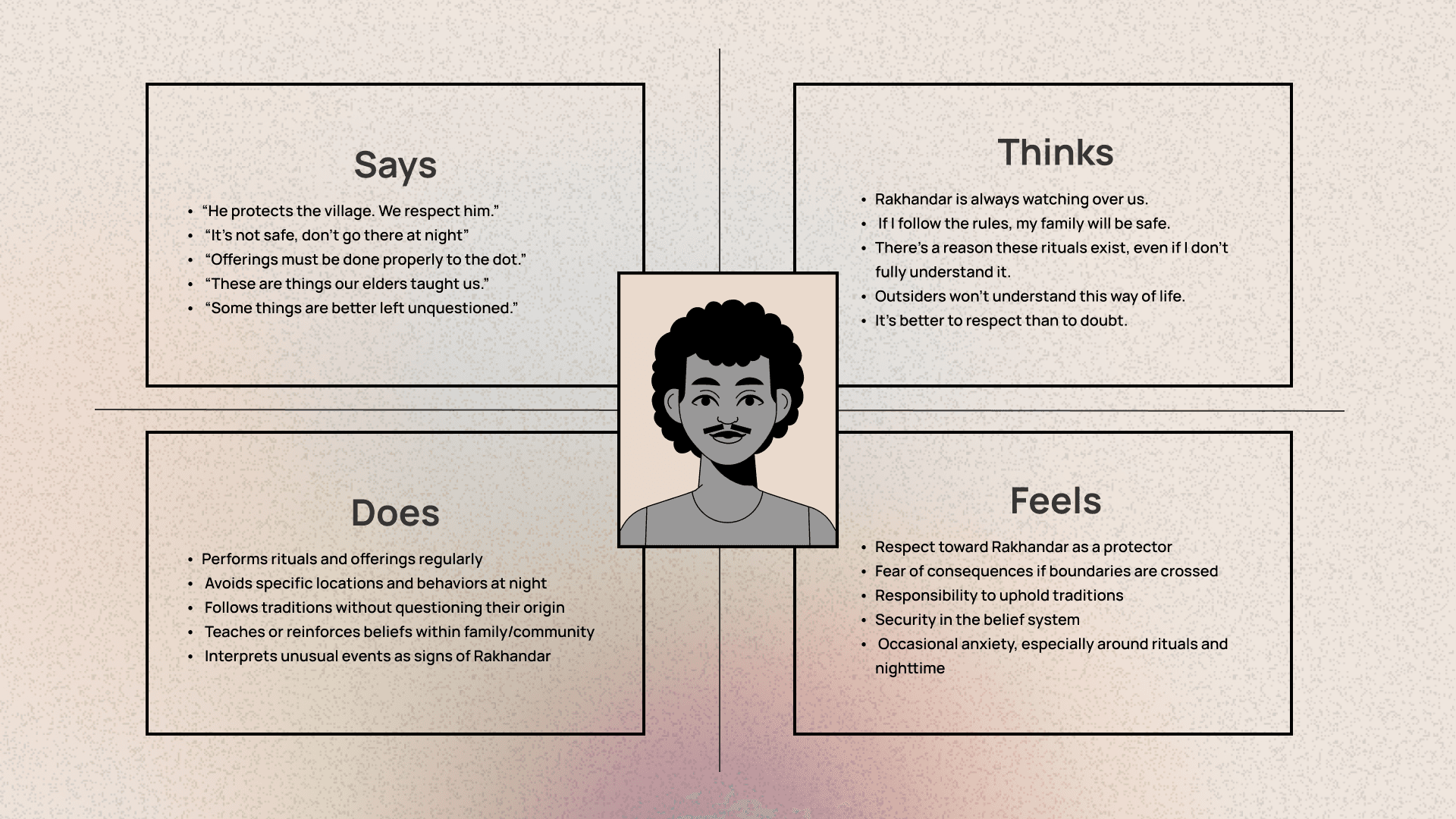
The personas capture the varied ways people relate to Rakhandar folklore, reflecting differences in belief, experience, and cultural connection. They served as a tool for understanding user motivations and informing narrative and interaction design decisions.

Empathy Maps

Empathy maps helped uncover how different people think, feel, and behave in relation to Rakhandar, revealing the emotions, beliefs, and motivations that influence their actions. In the context of game design, these insights informed narrative structure, character interactions, and gameplay mechanics, ensuring that the experience felt authentic and emotionally engaging.

Empathy Maps

Empathy maps helped uncover how different people think, feel, and behave in relation to Rakhandar, revealing the emotions, beliefs, and motivations that influence their actions. In the context of game design, these insights informed narrative structure, character interactions, and gameplay mechanics, ensuring that the experience felt authentic and emotionally engaging.

04

Insights

The research revealed patterns that went beyond individual stories, highlighting how Rakhandar is understood through belief, behavior, and environment. By synthesizing these observations, key insights emerged around duality, fear-driven practices, fragmented storytelling, and the role of rituals as cultural entry points.

Duality is central

Rakhandar is not perceived as purely good or evil.
It exists in a space where protection and punishment coexist.

Fear drives behavior

Belief systems actively influence behavior. Practice, rules, and spatial awareness are often guided by fear of consequences.

Practices are narrative entry points

Objects like fish, alcohol, and bread are not just offerings. They are a tool through which communities include folklore figures as part of their community by being responsible for food, enjoyment and clothing requirements of Rakhandar.

Opportunities

The insights revealed clear opportunities to translate cultural understanding into interactive design. Instead of simplifying the folklore, the focus shifted to creating an experience that embraces its ambiguity and layered nature. This meant using interactive storytelling to connect fragmented narratives, positioning the user as an outsider to build empathy, and transforming rituals into meaningful gameplay mechanics that encourage participation.

Concepts

These ideas translated into the following experience concepts:

  • Open world exploration of a Konkan village

  • NPC driven storytelling through conversations

  • Day vs Night contrast to reflect Rakhandar’s dual nature

  • Ritual based quests to drive progression

  • Environmental storytelling through shrines, forests, and objects

Design Directions

The design direction focused on translating cultural insights into an experience that prioritizes exploration, perspective, and participation. Instead of presenting Rakhandar as a fixed narrative, the experience was shaped to let users gradually uncover meaning through interactions, environments, and rituals

04

Insights

The research revealed patterns that went beyond individual stories, highlighting how Rakhandar is understood through belief, behavior, and environment. By synthesizing these observations, key insights emerged around duality, fear-driven practices, fragmented storytelling, and the role of rituals as cultural entry points.

Duality is central

Rakhandar is not perceived as purely good or evil.
It exists in a space where protection and punishment coexist.

Fear drives behavior

Belief systems actively influence behavior. Practice, rules, and spatial awareness are often guided by fear of consequences.

Practices are narrative entry points

Objects like fish, alcohol, and bread are not just offerings. They are a tool through which communities include folklore figures as part of their community by being responsible for food, enjoyment and clothing requirements of Rakhandar.

Opportunities

The insights revealed clear opportunities to translate cultural understanding into interactive design. Instead of simplifying the folklore, the focus shifted to creating an experience that embraces its ambiguity and layered nature. This meant using interactive storytelling to connect fragmented narratives, positioning the user as an outsider to build empathy, and transforming rituals into meaningful gameplay mechanics that encourage participation.

Concepts

These ideas translated into the following experience concepts:

  • Open world exploration of a Konkan village

  • NPC driven storytelling through conversations

  • Day vs Night contrast to reflect Rakhandar’s dual nature

  • Ritual based quests to drive progression

  • Environmental storytelling through shrines, forests, and objects

Design Directions

The design direction focused on translating cultural insights into an experience that prioritizes exploration, perspective, and participation. Instead of presenting Rakhandar as a fixed narrative, the experience was shaped to let users gradually uncover meaning through interactions, environments, and rituals

04

Insights

The research revealed patterns that went beyond individual stories, highlighting how Rakhandar is understood through belief, behavior, and environment. By synthesizing these observations, key insights emerged around duality, fear-driven practices, fragmented storytelling, and the role of rituals as cultural entry points.

Duality is central

Rakhandar is not perceived as purely good or evil.
It exists in a space where protection and punishment coexist.

Fear drives behavior

Belief systems actively influence behavior. Practice, rules, and spatial awareness are often guided by fear of consequences.

Practices are narrative entry points

Objects like fish, alcohol, and bread are not just offerings. They are a tool through which communities include folklore figures as part of their community by being responsible for food, enjoyment and clothing requirements of Rakhandar.

Opportunities

The insights revealed clear opportunities to translate cultural understanding into interactive design. Instead of simplifying the folklore, the focus shifted to creating an experience that embraces its ambiguity and layered nature. This meant using interactive storytelling to connect fragmented narratives, positioning the user as an outsider to build empathy, and transforming rituals into meaningful gameplay mechanics that encourage participation.

Concepts

These ideas translated into the following experience concepts:

  • Open world exploration of a Konkan village

  • NPC driven storytelling through conversations

  • Day vs Night contrast to reflect Rakhandar’s dual nature

  • Ritual based quests to drive progression

  • Environmental storytelling through shrines, forests, and objects

Design Directions

The design direction focused on translating cultural insights into an experience that prioritizes exploration, perspective, and participation. Instead of presenting Rakhandar as a fixed narrative, the experience was shaped to let users gradually uncover meaning through interactions, environments, and rituals

04

Insights

The research revealed patterns that went beyond individual stories, highlighting how Rakhandar is understood through belief, behavior, and environment. By synthesizing these observations, key insights emerged around duality, fear-driven practices, fragmented storytelling, and the role of rituals as cultural entry points.

Duality is central

Rakhandar is not perceived as purely good or evil.
It exists in a space where protection and punishment coexist.

Fear drives behavior

Belief systems actively influence behavior. Practice, rules, and spatial awareness are often guided by fear of consequences.

Practices are narrative entry points

Objects like fish, alcohol, and bread are not just offerings. They are a tool through which communities include folklore figures as part of their community by being responsible for food, enjoyment and clothing requirements of Rakhandar.

Opportunities

The insights revealed clear opportunities to translate cultural understanding into interactive design. Instead of simplifying the folklore, the focus shifted to creating an experience that embraces its ambiguity and layered nature. This meant using interactive storytelling to connect fragmented narratives, positioning the user as an outsider to build empathy, and transforming rituals into meaningful gameplay mechanics that encourage participation.

Concepts

These ideas translated into the following experience concepts:

  • Open world exploration of a Konkan village

  • NPC driven storytelling through conversations

  • Day vs Night contrast to reflect Rakhandar’s dual nature

  • Ritual based quests to drive progression

  • Environmental storytelling through shrines, forests, and objects

Design Directions

The design direction focused on translating cultural insights into an experience that prioritizes exploration, perspective, and participation. Instead of presenting Rakhandar as a fixed narrative, the experience was shaped to let users gradually uncover meaning through interactions, environments, and rituals

05

Narrative Design

Narrative Design

Similar media artifacts

Never Alone - Kisima Ingitchuna

Never Alone (Kisima Ingitchuna) demonstrates how interactive media can be used to preserve and celebrate indigenous storytelling. Inspired by traditional Iñupiaq folklore, the game immerses players in a culturally rich world while seamlessly weaving educational content into gameplay. Its ability to balance authentic cultural representation with engaging mechanics served as a key inspiration for this project, highlighting the potential of games as a medium for preserving and sharing oral traditions with a wider audience.

Bramble the Mountain King

Bramble: The Mountain King showcases how folklore can be transformed into a compelling interactive experience through environmental storytelling, atmosphere, and exploration. Inspired by Nordic myths and legends, the game creates a world where supernatural beings feel both beautiful and terrifying. Its use of folklore-driven worldbuilding and emotional storytelling served as a reference for creating a similarly immersive experience around Rakhandar.

Process

The design process focused on translating cultural research into an interactive experience that felt authentic to the fragmented nature of Rakhandar folklore. By exploring multiple narratives, understanding local perceptions, and identifying recurring themes, the project evolved from a collection of stories into a cohesive narrative framework. The final direction emphasized atmosphere, perspective, and participation, allowing players to experience Rakhandar as a presence that is gradually discovered rather than explicitly explained.

Gameplay

The gameplay narrative was designed around exploration and discovery, allowing players to uncover the world of Rakhandar through interactions rather than direct exposition. Each character encounter contributes a unique perspective, gradually building an understanding of the folklore while encouraging players to piece together their own interpretation of the narrative.

Narrative Goals

The primary goal was to create an experience that evokes curiosity, wonder, and unease while preserving the ambiguity inherent in folklore. The narrative seeks to immerse players in a world where belief influences behavior, rituals carry meaning, and truth is often subjective. The priority meter indicates the relative importance of each narrative goal in shaping the player's overall experience.

Narrative Structure

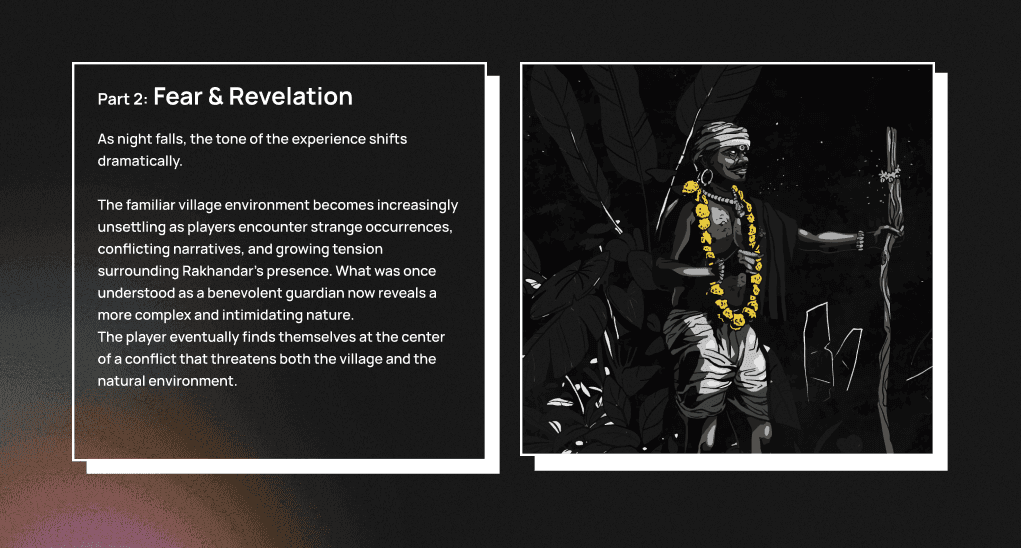
The story is divided into two distinct acts, each exploring a different aspect of Rakhandar's identity.

06

Workflow

Workflow

The production workflow combined custom asset creation, environment design, character development, and gameplay implementation to create an authentic representation of the Konkan region. Unity served as the primary development engine, bringing together assets created in Blender, Character Creator, and Mixamo, while C# scripting was used to implement gameplay systems, interactions, cutscenes, and shaders. This modular workflow enabled rapid iteration while ensuring every element contributed to the narrative and cultural authenticity of the experience.

07

Prototypes

Prototypes

Rapid prototyping played a crucial role in validating both the gameplay mechanics and the narrative experience. Rather than waiting for a polished build, I developed a series of functional prototypes to test player movement, environmental exploration, and the integration of narrative within the game world. These iterative builds helped refine the pacing, spatial layout, and overall player experience while demonstrating the transition from concept to a playable game.

Character Movement

Early prototype focused on third-person movement, camera behavior, and navigation to establish the core gameplay feel.

I blocked out a rough game map, specified walkable terrain and refined the character control.

World Exploration

ntegrated prototype showcasing the complete environment, custom assets, and exploration through the Konkan village, validating the spatial layout and environmental storytelling.

I tested out the LODs, to optimize the game performance ensuring buttery smooth operation.

Integrated prototype showcasing the complete environment, custom assets, and exploration through the Konkan village, validating the spatial layout and environmental storytelling.

I tested out the LODs, to optimize the game performance ensuring buttery smooth operation.

08

Testing and Feedback

Testing and Feedback

Testing

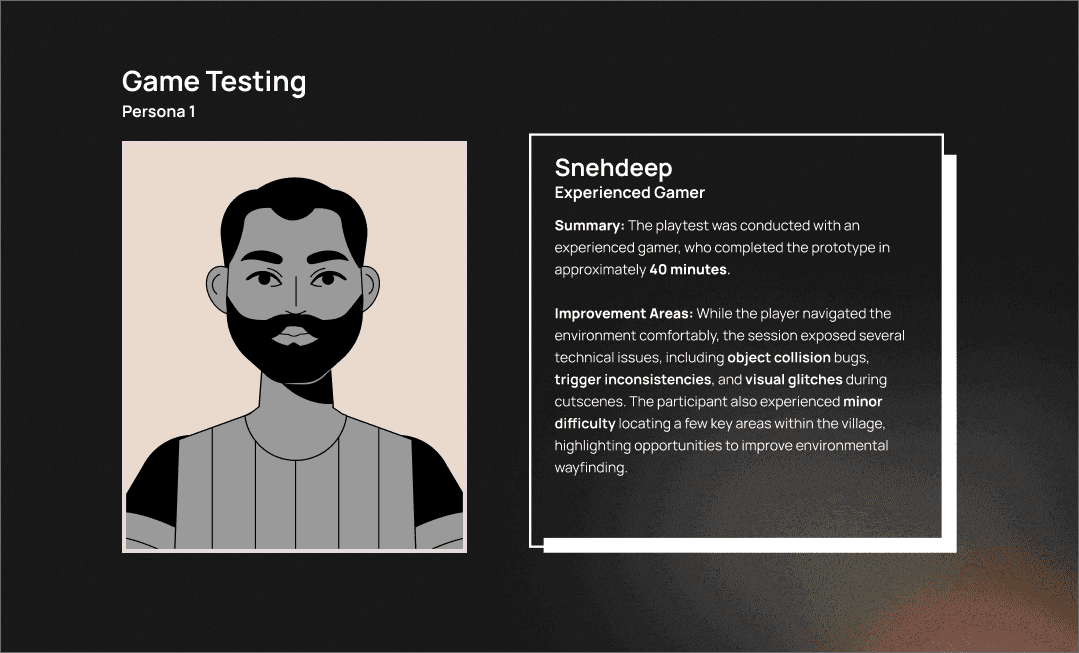
To evaluate the gameplay experience, I conducted two rounds of moderated playtesting with participants possessing different levels of gaming experience. The objective was to assess the clarity of the narrative, effectiveness of exploration mechanics, environmental navigation, and overall gameplay flow. Observing players with varying familiarity with games helped identify both technical issues and usability challenges that informed subsequent design iterations.

Feedback

The playtesting sessions revealed that players occasionally struggled with navigation, objective clarity, and understanding how to progress through the experience. Rather than relying on interface prompts or intrusive tutorials, I explored solutions that could guide players while remaining consistent with the narrative and world of the game.

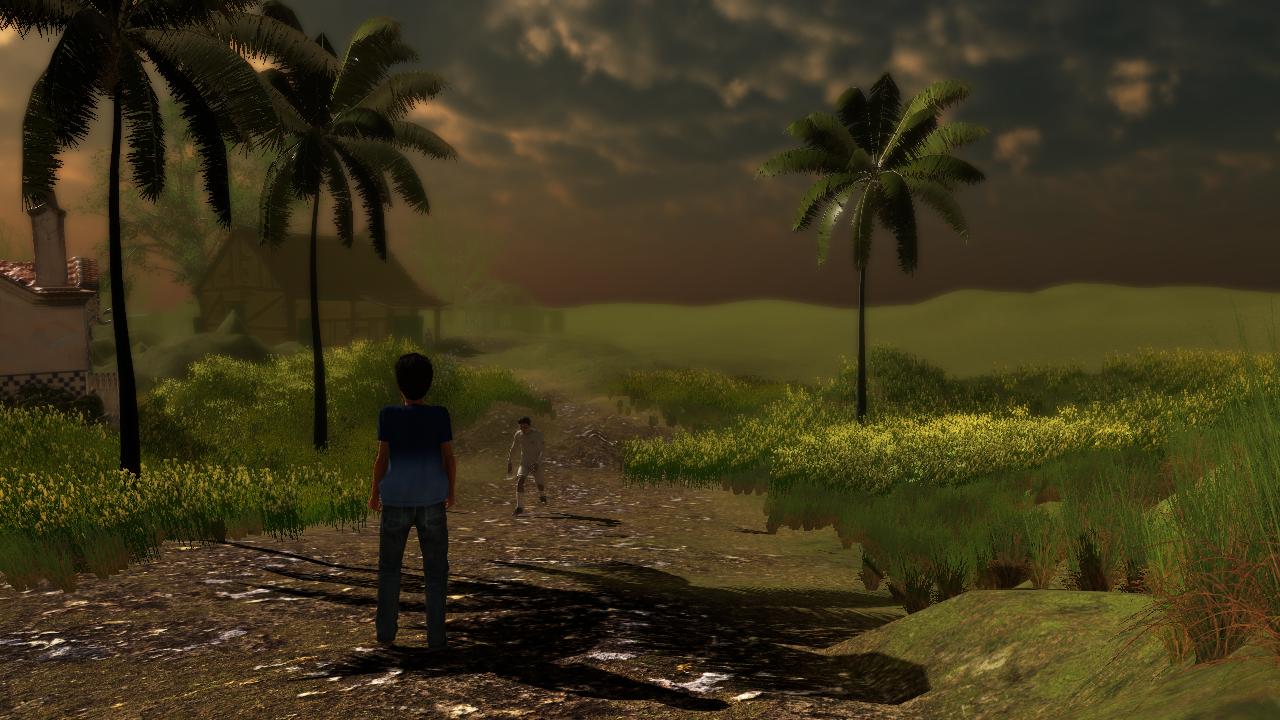
To create a more natural guidance system, I introduced Pranav, a spirited village boy who accompanies Sarvesh throughout his journey. Designed as a narrative companion Pranav helps players navigate the village, introduces local customs, and subtly directs them towards objectives through contextual dialogue and movement. Unity's NavMesh system was used to enable intelligent navigation across the terrain, allowing Pranav to move naturally through the environment while responding to the player's location.

Improved Onboarding

The initial prototype assumed a level of familiarity with exploration-based games, resulting in players feeling uncertain about their objectives. Based on feedback, the onboarding experience was redesigned to introduce mechanics and narrative gradually.

AI Companion

To create a more natural guidance system, I introduced Pranav, a spirited village boy who accompanies Sarvesh throughout his journey. Designed as a narrative companion Pranav helps players navigate the village, introduces local customs, and subtly directs them towards objectives through contextual dialogue and movement. Unity's NavMesh system was used to enable intelligent navigation across the terrain, allowing Pranav to move naturally through the environment while responding to the player's location.

09

Outcome

Outcome

Gameplay Video

Gameplay Video

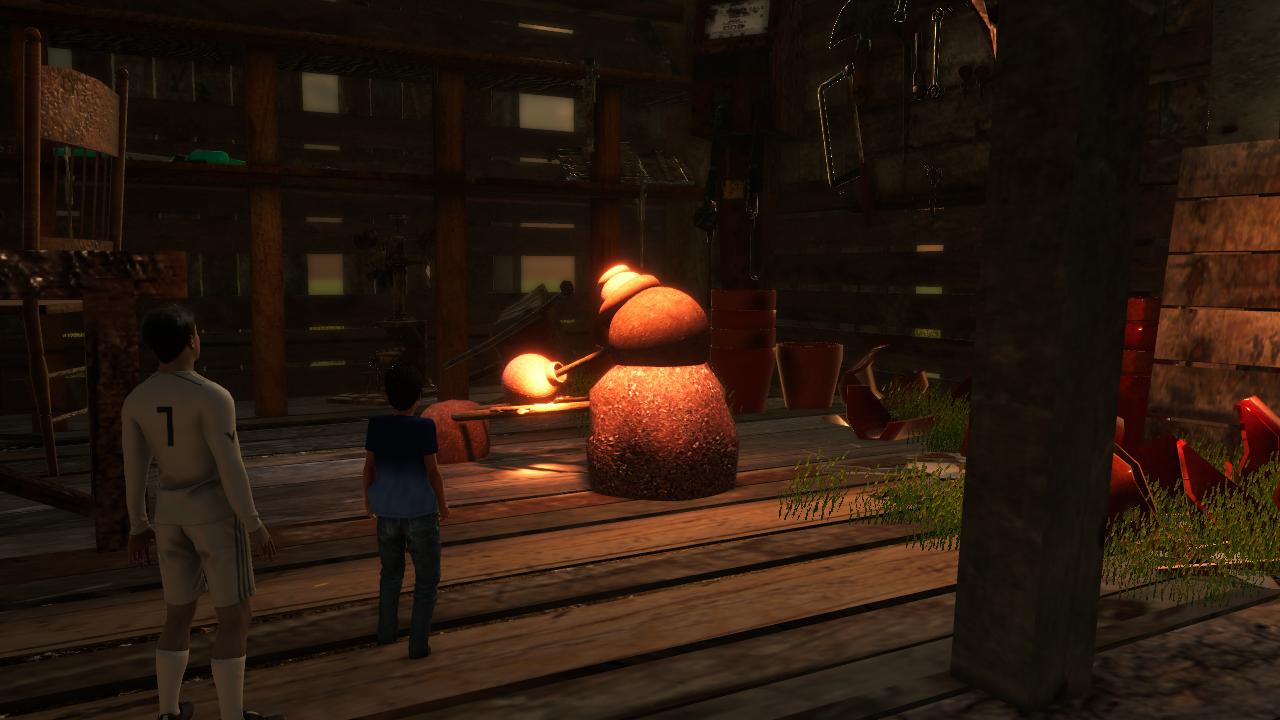
The direction brings together the research, narrative, and gameplay into a cohesive representation of the world of Rakhandar. Inspired by the landscapes of the Konkan region and its rich cultural traditions, the experience combines realistic environments, localized architecture, handcrafted assets, and atmospheric lighting to create a world that feels both familiar and mysterious.

Ingame Screenshots
10

Publication and Recognition

Publication and Recognition

Publication

The research and design outcomes of this project were presented in the paper "Whispers of the Konkan Guardian: Interactive Storytelling through Digital Game Design," which was accepted for presentation at India HCI 2023, showcasing the project as an exploration of how digital games can preserve and communicate indigenous folklore through interactive storytelling. The paper documents the research methodology, narrative design framework, gameplay systems, and cultural considerations that informed the development of the experience.

Recognition

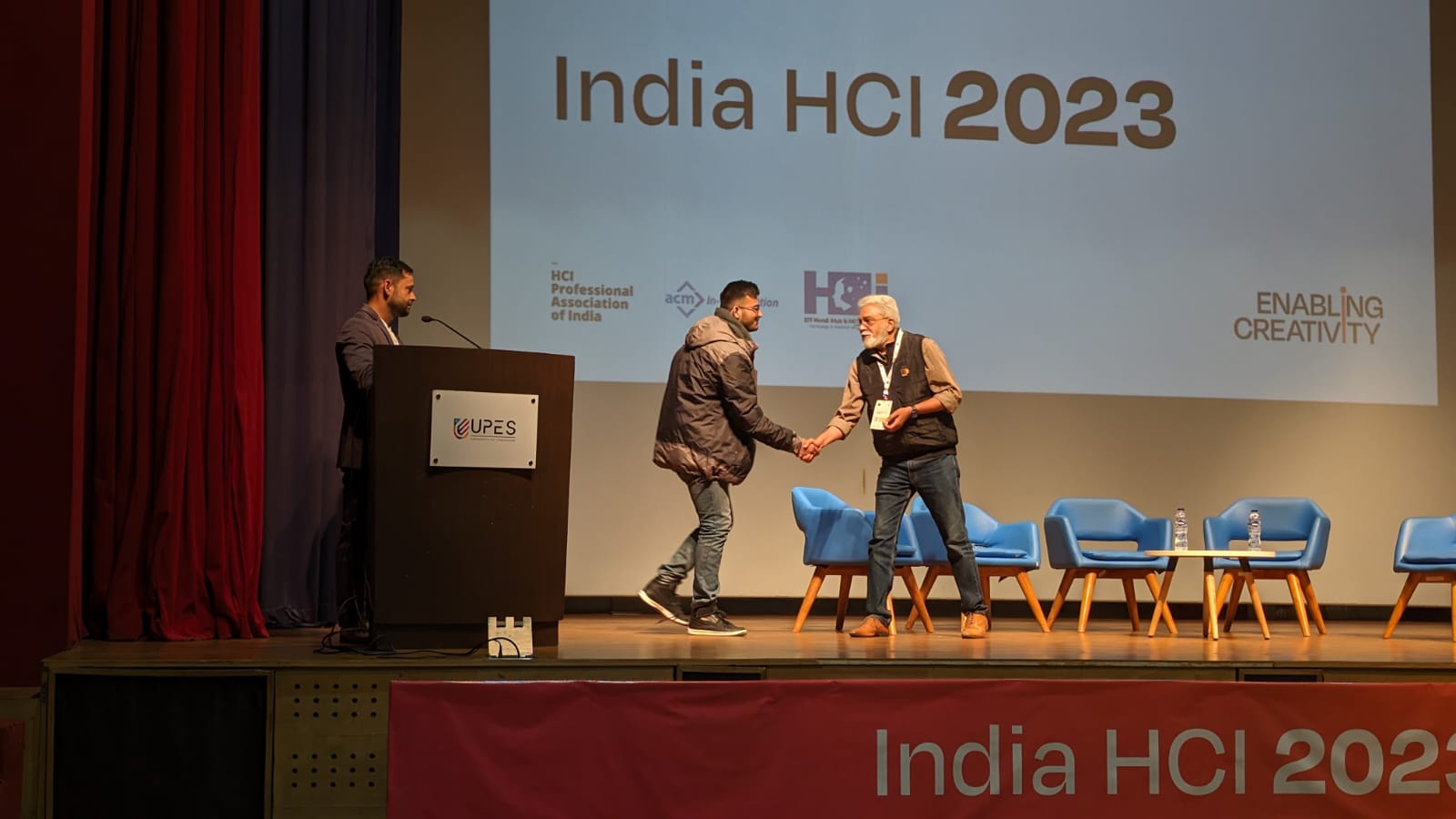
The project was also recognized with Second Prize in the Games Track at India HCI 2023, acknowledging its contribution to research-driven game design and the preservation of regional folklore through interactive media. In addition, it received the Best Thesis Project award in the Communication Design category at the Design Degree Show, sponsored by Adobe, recognizing both the research depth and execution of the project as a graduation thesis.

11

Next Steps

Next Steps

While this project successfully demonstrated the potential of interactive storytelling as a medium for preserving folklore, it represents only the first chapter of a much larger vision. I envision expanding Rakhandar into a fully realized folklore exploration experience, where players can discover regional myths, cultural practices, and oral traditions through immersive gameplay. By publishing the game across accessible platforms, the project could reach a broader audience while contributing to the documentation and preservation of indigenous narratives through interactive media.

Future iterations would significantly expand the gameplay by introducing additional quests, dynamic village events, branching narratives, and collectible folklore, encouraging exploration and improving replayability. Character customization and player choice would allow a wider range of players to see themselves represented within the experience. Incorporating feedback received during India HCI 2023, future versions would also introduce greater gender representation through multiple playable protagonists while continuing to evolve the game's narrative systems, environmental storytelling, and cultural authenticity.